Posts

Significance of Weld Neck Flanges in Industrial Pipeline Systems
Image
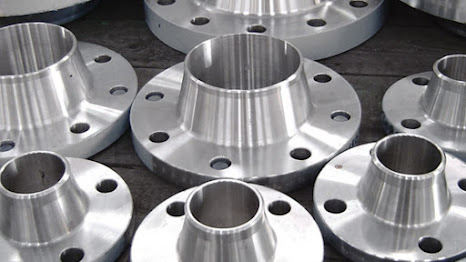
Within large pipes utilized for transporting substances such as oil, chemicals, and power, a crucial component known as the weld neck flange plays a vital role. Its primary function is to facilitate the smooth flow of liquids through the pipelines. Consider weld neck flanges as unsung heroes of pipeline infrastructure, enhancing their strength and efficiency. They serve as robust connectors ensuring the seamless cohesion of pipes, thereby optimizing their functionality. In this guide, we will dive into the basics of weld neck flanges, their advantages, installation procedures, and why they are indispensable in the world of industrial pipelines. Whether you know a lot about this stuff or just find it interesting, come along to learn how weld neck flanges make sure industrial pipelines are reliable. We’ll keep it simple for both engineers and those who are just curious. Let’s explore the world of weld neck flanges together! What are weld neck flanges? Weld neck flanges are specialized c...

Comparing Titanium Flanges and Stainless Steel Flanges

Image
Flanges might not be the first thing on your mind, but these little heroes play a big role in industrial setups. When it comes to picking the right flanges, materials matter, and two heavyweights in the ring are titanium and stainless steel. Let’s break it down in simple terms. Let’s talk about Titanium Flanges versus  stainless steel flanges  in a super easy way. Flanges are like the helpers that keep pipes stuck together. Choosing between titanium and stainless steel is like picking a superhero for the job. We’ll chat about the basics, like how strong they are, how long they last, and how much they cost. Whether you’re into space stuff or checking out oil and gas, the right flange can be a game-changer. We’ll make understanding these materials easy, so picking the right one is a piece of cake! Titanium flanges Picture Titanium as the superhero of metals. It’s lightweight like Spider-Man swinging through the city. That means less strain on your system. But its superpower? Res...

All You Need To Know About Ring-Type Joint Flanges

Image
Welcome to the world of piping systems, where every component plays a crucial role. If you’re dealing with pipes, it’s important to know about  RTJ flanges . These special parts are really important because they help keep things sealed up tight and working well, especially in places where there’s a lot of pressure, like in the oil and gas industries. This blog will tell you everything about RTJ flanges — from how people make them to how you can use and take care of them. Whether you know a lot about pipes or are just starting to learn, come along with us to uncover the secrets of Ring-Type Joint Flanges. Let’s get into it and boost your knowledge about pipes! What are ring-type joint flanges? Ring-type joint (RTJ)  flanges  are like the unsung heroes of the piping world. These circular connectors effectively seal tight in locations experiencing high pressure and heat. Think of them as the guardians of your pipes, ensuring everything stays secure and leak-free. Types of RT...

Titanium Flanges: Key Factors In Selecting The Right Grade

Image
Unlock the secrets of Titanium Flanges with our in-depth guide, decoding the intricate process of grade selection. From Grade 1 to Grade 5, each grade holds unique characteristics that cater to specific industrial demands. This exploration empowers you to make strategic decisions, ensuring that your choice aligns perfectly with the requirements of your projects. Whether you know a lot about titanium or you’re new to it, we’ll simply explain the basics. We’ll talk about how different types affect how well they work, things to avoid, and tips for making smart choices. Come with us as we learn about titanium flanges and find the best one for what you need. Understanding titanium grades Let’s start with the basics. Titanium comes in different grades, each with its unique properties. The grade determines the composition and characteristics of the metal. In simpler terms, it’s like choosing the right tool for the job. You wouldn’t use a wrench when you need a screwdriver, right? When it come...

How to Choose The Right Flange: A Comparitive Analysis

Image
Flanges are super important in many industries because they help pipes connect smoothly. In this blog, we’ll make understanding   flanges   easy by explaining the differences between types. Think of flanges as the heroes that keep everything in pipelines together. We’ll talk about weld neck, slip-on, blind, lap joint, and socket weld flanges and tell you what they’re good at and where they might not be great. We have information for you whether you work with oil and gas, chemicals, or water treatment. Learn about the things to think about and hear about real examples to help you choose the best flange for your needs. Let’s get started! Why do Flanges Matter? Before we dive into the nitty-gritty of flange types, let’s understand why they are so important. Flanges act as connectors, joining pipes, valves, and other equipment seamlessly. Think of them as the unsung heroes that ensure everything stays in place, whether it’s in your local water treatment plant, the oil and gas indu...

Boosting Industry: The Benefits of Titanium Flanges

Image
Flanges are important parts of industries, and titanium is really good for many reasons. In this blog, we’ll talk about why titanium flanges are great. Think about them being really good at not getting rusty, being light, and staying strong in hot or cold conditions. Come with us to learn how these things help things work better and save money in the long run. Whether you work with oil, chemicals, airplanes, or boats, knowing why titanium flanges are good is important for making your work better. Understanding titanium flanges Before we embark on the advantages, let’s break down the basics. Titanium, a sturdy and lightweight metal, forms the foundation of titanium flanges. These  flanges  act as connectors, linking pipes and ensuring a seamless flow of substances within industrial systems. What sets titanium apart is its exceptional combination of strength and lightness, making it an ideal choice for various applications. Advantage 1: Corrosion resistance Imagine a material th...

Understanding ANSI Flange Standards in the Industrial World

Image
Ever wonder how industries work smoothly? Well, ANSI flanges are like the super important puzzle pieces that connect pipes and make everything run seamlessly. In this blog, we’ll make it easy for you to understand   ANSI flange dimensions   and standards. We’ll cover the basics, types, their use, and how to pick the right one. Whether you’re a pro or just starting out in the industrial world, stick with us as we explain ANSI flange standards in a way that’s easy and clear for you! What are ANSI flange standards? ANSI flange standards are like the unsung heroes of industrial connections. Imagine them as the universal language that different parts of a machine speak to each other. These standards, particularly the ANSI B16 series, provide guidelines for the design, dimensions, and materials of flanges, the essential components that connect pipes and other equipment. Key components of ANSI Flange standards 1. Types of Flanges There are different types of flanges, each serving a u...